
How is Next plc scaling its sales and marketing engine to own more of the UK fashion and home wallet?
Next plc's digital-first sales and marketing model pairs a high-efficiency ecommerce core with a vast third-party marketplace, driving repeat purchase and credit-backed convenience. Its 2025 pre-tax profits above 1,000,000,000 pounds and rising marketplace GMV signal strong demand and channel leverage.
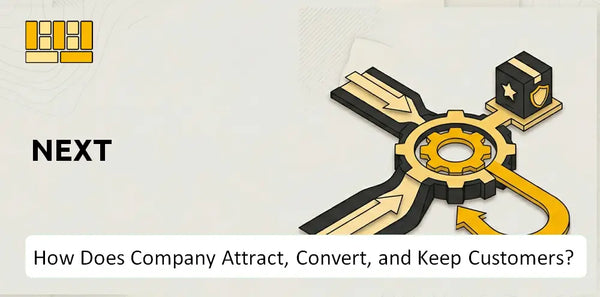
Focus on owned channels, seamless checkout, and marketed credit as conversion levers; marketplace assortment fuels frequency and margins. See the Next Business Model Canvas for structural detail.
WWhat Promise Does Next Take to Market?
Next plc promises reliable quality, consistent sizing, and frictionless choice for the aspirational middle market, combining own-brand essentials with a broad third-party Label offering delivered fast and returned easily.
 Main Promise: Reliable Style, Fast Fulfilment
Next plc pledges durable, well-sized clothing, footwear, and home goods alongside a curated selection of over 1,000 third-party brands via its Label channel, backed by the UK's leading next-day delivery and seamless returns.
Core Audience: Aspirational Middle Market Families
The promise targets value-seeking households who want higher-quality basics and style variety without premium price tags - busy parents and working professionals who value reliability and easy shopping across categories.
Positioning Style: Mid-market Quality with Convenience
Next positions as quality and convenience-led - not discount, not luxury - combining own-brand value with wide choice, fast fulfilment, and consistent sizing to reduce friction and increase conversion.
Why the Promise Resonates: Trust, Speed, and Choice
Consistent sizing and durable design lower returns and churn; next-day delivery plus simple returns improve conversion rates and customer retention - Next reported a net margin of 11.2% in FY2025 and continued growth in online penetration supporting customer acquisition and lifetime value.
How this maps to acquisition and retention: reliable product quality and standardised sizing reduce onboarding friction and returns, the Label assortment expands conversion opportunities across price points, and the robust logistics network drives repeat purchases and higher average order values; see the Product Model of Next Company for structure and channels.
Next SWOT Analysis
- Complete SWOT Breakdown
- Fully Customizable
- Editable in Excel & Word
- Professional Formatting
- Investor-Ready Format

HHow Does Next Get Attention from the Right Audience?
Next plc targets the right audience by combining its ~460 store footprint with digitally focused performance marketing, high-intent search, and personalized email triggers to its database of over 8 million active customers, plus Total Platform partner cross – promotion to broaden reach.

Performance Search as Primary Acquisition Channel
Paid and organic search focused on high – intent queries drives first – touch acquisition and captures shoppers ready to buy; in fiscal 2025 Next plc reallocated spend to search, lifting click – through quality and lower funnel conversions.
Precision Digital Reach
Next plc uses paid search, programmatic display, and targeted social to reach segmented cohorts; personalized email and triggered lifecycle messages convert repeat visits-email alone targets over 8 million active accounts.
Omnichannel Sales and Distribution
Retail stores (~460) act as high – visibility hubs and click – and – collect points while Next plc's Total Platform partners such as Reiss, FatFace, and Joules expand category and demographic reach across the same digital ecosystem.
Demand – Generation Tactics
Seasonal promotions, targeted ad campaigns, and brand collaborations drive spikes in acquisition; Next's fiscal 2025 focus on personalized triggers and timed offers improved conversion rates during peak promo windows.
Acquisition Efficiency and Costing
By optimizing performance marketing toward high – intent channels and leveraging cross – brand exposure in the Total Platform, Next plc amortizes customer acquisition cost across multiple brands, improving effective ROI per new customer in 2025.
Strongest Reach Advantage
The combination of a large active customer database (8 million+) and integrated Total Platform partnerships is Next plc's biggest scale advantage: it turns single acquisition events into multi – brand lifetime value uplift. Read a case perspective in Why Customers Choose Next Company
Next VRIO Analysis
- Complete VRIO Analysis
- No Research Needed – Save Hours of Work
- Built by Experts, Trusted by Consultants
- Instant Download, Ready to Use
- 100% Editable, Fully Customizable

HHow Does Next Turn Interest into Purchase and Repeat Demand?
Next plc turns browsing into purchase and repeat demand through a tight conversion engine: embedded finance via NextPay and industry-leading logistics. Commercial mechanics focus on real-time inventory, frictionless checkout, and sub-24-hour delivery to drive conversion and retention.
Core Sales Model
Next plc uses an omnichannel retail model: online direct sales supported by >500 physical stores that act as sales, return, and fulfillment nodes. Revenue mixes full-price apparel, concession brands, and financial services (NextPay) that embed purchases at point of sale.
Pricing and Monetization Logic
Pricing targets margin retention through seasonal markdown management and private-label assortments; monetization extends via NextPay interest and fees, delivery charges, and in-store upsell on returns. Dynamic availability drives conversion without heavy price-led promotions.
Conversion Drivers
Real-time inventory visibility on web and app reduces bounce and cart abandonment; integrated OneStock logistics delivers sub-24-hour fulfillment for most urban orders, boosting conversion. NextPay's 2.6 million active accounts raise average order frequency and basket size versus cash buyers.
Repeat Demand and Customer Expansion
Physical stores process about 80 percent of online returns, creating immediate impulse purchase opportunities and shortening the repurchase cycle. Loyalty stems from fast delivery, NextPay credit access, targeted email and CRM campaigns, and store-led cross-sell on returns.
Key metrics to watch: NextPay penetration (2.6m users), in-store return conversion rate (~80% processed in-store), and same-day/sub-24-hour delivery share-each directly tied to higher lifetime value and lower churn; see a practical customer profile for more context: Customer Profile of Next Company
Next Marketing Mix
- Complete Marketing Mix Analysis
- Effortlessly Communicate Your Business Strategy
- Investor-Ready Format
- 100% Editable and Customizable
- Clear and Structured Layout

WWhat Will Shape Next's Brand and Demand Momentum Next?
Next plc's brand and demand momentum will hinge on scaling international online sales and expanding Total Platform partnerships, while countering ultra-fast-fashion price pressure; strengths include logistics export and AI inventory, risks center on Shein-style competition and margin compression.
International expansion as the primary growth lever
Next plc targets a 15 percent increase in international online sales by end-2026, leveraging its UK logistics playbook to drive Next Company customer acquisition across Europe and key APAC markets; cross-border fulfilment and marketplace partnerships will lift awareness and reduce time-to-first-purchase.
Platform partnerships deepen recurring demand
Total Platform partnerships convert retailers into platform clients, shifting revenue toward services and making Next Company less a pure retailer and more a critical infrastructure provider; this diversification supports Next Company customer retention through integrated fulfilment, payments, and merchandising services.
Channel and marketing effectiveness
Paid advertising and organic search remain efficient at scale; combined with CRM-driven email flows and personalized offers, Next Company conversion strategies keep full-price sell-through north of 60 percent by mid-2026-boosting ROI on Next Company paid advertising ROI and lowering reliance on discounting.
Omnichannel customer experience and retention
Omnichannel pick-up, rapid returns, and improved onboarding reduce friction in the Next Company sales funnel; investments in AI for inventory and personalization improve Next Company customer experience and are projected to lift repeat purchase rates by several percentage points in 2026.
Risks: price-led competition and margin pressure
The biggest headwind is ultra-fast-fashion competition (Shein), which pressures prices and acquisition costs; if Next fails to accelerate premium brand acquisitions and maintain AI-driven inventory accuracy, Next Company pricing strategy to increase conversions and full-price sell-through could slip below 60 percent, eroding gross margins.
Operational and execution risks
Scaling international logistics and platform services increases capex and complexity; delays or higher-than-expected fulfilment costs would weaken Next Company customer retention and raise churn, especially in markets where Next Company social media marketing tactics alone cannot overcome service pain points.
Overall sales and marketing outlook for 2025/2026
The commercial engine looks strong and adaptable entering mid-2026: diversified revenue from platform services and international e – commerce reduces single-market risk and supports healthier unit economics; still, sustaining Next Company customer acquisition efficiency and Next Company customer retention will depend on premium assortments, AI inventory, and competitive fulfilment.
Actionable focus areas
Prioritize premium brand M&A, scale AI-driven inventory to protect full-price sell-through, and expand Next Company referral program to gain customers; track Next Company customer lifetime value and CAC payback monthly to keep the Next Company sales funnel efficient. See Leadership and Ownership of Next Company for governance context.
Next Ansoff Matrix
- Complete ANSOFF Matrix
- Structured for Consultants, Students, and Founders
- 100% Editable in Microsoft Word & Excel
- Instant Digital Download – Use Immediately
- Compatible with Mac & PC – Fully Unlocked

Related Blogs
- What Do the Mission, Vision, and Values of Next Company Say About Its Brand?
- How Did Next Company Become the Brand It Is Today?
- Who Runs Next Company and Shapes Its Direction?
- How Does Next Company's Product and Business Model Work?
- How Can Next Company Grow Through Products and Customers?
- Who Are the Core Customers of Next Company?
- Why Do Customers Choose Next Company Over Competitors?
Frequently Asked Questions
Next attracts the right customers by combining stores, search, and targeted digital marketing. It uses a ~460-store footprint, high-intent paid and organic search, personalized email triggers, and Total Platform cross-promotion to reach its active customer base and broaden awareness across categories.
Disclaimer
All information, articles, and product details provided on this website are for general informational and educational purposes only. We do not claim any ownership over, nor do we intend to infringe upon, any trademarks, copyrights, logos, brand names, or other intellectual property mentioned or depicted on this site. Such intellectual property remains the property of its respective owners, and any references here are made solely for identification or informational purposes, without implying any affiliation, endorsement, or partnership.
We make no representations or warranties, express or implied, regarding the accuracy, completeness, or suitability of any content or products presented. Nothing on this website should be construed as legal, tax, investment, financial, medical, or other professional advice. In addition, no part of this site - including articles or product references - constitutes a solicitation, recommendation, endorsement, advertisement, or offer to buy or sell any securities, franchises, or other financial instruments, particularly in jurisdictions where such activity would be unlawful.
All content is of a general nature and may not address the specific circumstances of any individual or entity. It is not a substitute for professional advice or services. Any actions you take based on the information provided here are strictly at your own risk. You accept full responsibility for any decisions or outcomes arising from your use of this website and agree to release us from any liability in connection with your use of, or reliance upon, the content or products found herein.